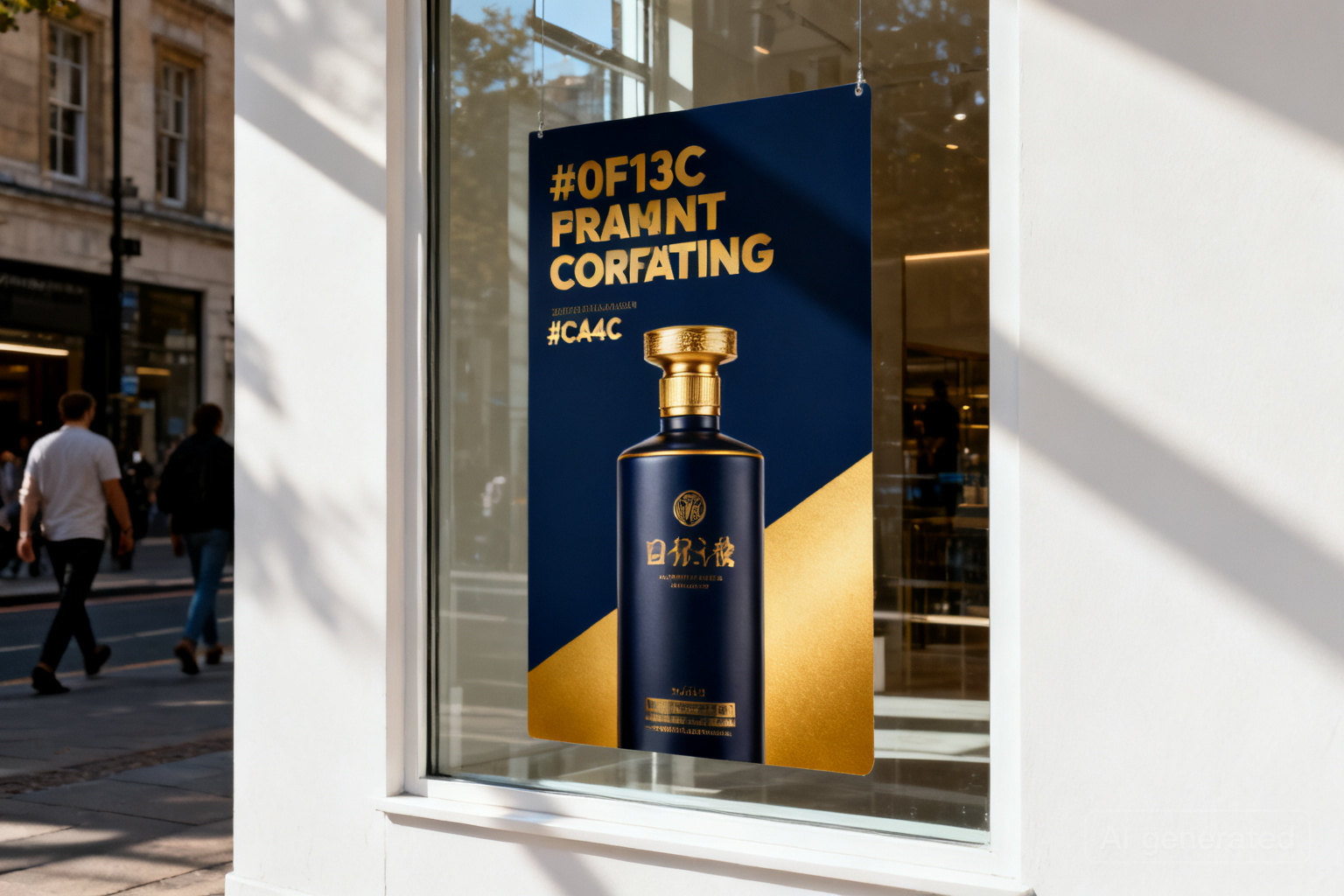
Window clings are one of the most versatile and cost-effective ways to turn your storefront, vehicle, or office window into a working billboard. Whether you're announcing a promotion, displaying your hours, or building brand presence, a well-designed cling catches eyes and communicates instantly—without permanent installation or costly renovations.
In the Houston metro and across Texas, window clings have become a go-to choice for restaurants, retail shops, service businesses, and corporate offices. They work in intense heat, resist fading, and can be repositioned or removed without damaging glass. This guide walks you through everything you need to know: materials, design best practices, installation, durability, and how to decide between clings and other signage options.
Key Takeaways
- Window clings are affordable, removable, and ideal for windows, vehicles, and glass doors—perfect for fast-changing promotions or seasonal messaging.
- Choose between standard vinyl clings and perforated one-way film based on whether you need privacy, see-through visibility, or pure visual impact.
- Durable materials and proper installation ensure your cling withstands Texas heat, UV rays, and weather for months or years.
- Design with contrast, clear hierarchy, and minimal text so your message reads instantly from a distance.
- Window clings work best for short-term campaigns; banners and permanent signage suit longer-term branding needs.
What Are Window Clings and Why Do Houston Businesses Use Them?
A window cling is a printed vinyl graphic that adheres to glass surfaces—storefronts, office windows, vehicle windows, or glass doors—without permanent installation. Unlike paint or etching, clings peel off cleanly and leave no residue, making them ideal for temporary campaigns, seasonal promotions, or businesses that move frequently.
Houston-area shops use window clings to announce sales, display hours, showcase menu items, build brand identity, and turn wasted glass space into advertising real estate. They're especially popular in retail, food service, automotive, and professional offices where visibility and flexibility matter. A cling costs far less than a storefront renovation and delivers results in days, not weeks.
Window clings work best on clean, smooth glass. Textured or frosted glass may reduce adhesion and clarity.
How Do Window Clings Differ from Other Window Signage Options?
Window clings sit somewhere between temporary decals and permanent signage. Unlike painted signs or etched glass, clings are removable and reusable. Unlike static window displays, they're printed full-color and can feature photos, gradients, and complex designs. They also differ from perforated one-way window film, which adds privacy and blocks outward visibility while still displaying your message.
For businesses choosing signage, the key difference is permanence and flexibility. A cling is a short-to-medium-term solution; vinyl banners and aluminum signs are built for long-term outdoor durability. Clings excel when you want to test messaging, run seasonal campaigns, or avoid damage to rental spaces.
What Materials and Finishes Work Best for Window Clings?
Most window clings are made from calendered or cast vinyl—durable plastics that stick to glass using a pressure-sensitive adhesive. Calendered vinyl is cost-effective and works well for indoor or short-term outdoor use. Cast vinyl is thicker, more flexible, and better suited to curved surfaces and long-term outdoor exposure in Texas heat.
Finishes vary: matte vinyl diffuses light and reduces glare; glossy vinyl is vibrant and reflective; clear vinyl lets light through while adding a printed graphic. Some clings include a laminate layer that protects ink from UV fading and extends lifespan. For Houston's intense sun and humidity, a UV-protective laminate is worth considering if your cling will face direct sunlight for months.
- Calendered vinyl: affordable, suitable for indoor/short-term outdoor use
- Cast vinyl: flexible, durable, ideal for curves and long-term outdoor exposure
- Matte finish: reduces glare, professional appearance
- Glossy finish: bright, eye-catching, reflective in sunlight
- Clear or translucent vinyl: maintains light transmission while displaying graphics
For vehicles or outdoor-facing windows, choose cast vinyl with UV-protective laminate to resist fading in Texas heat.
How Should You Design a Window Cling for Maximum Impact?
Effective window cling design starts with clarity and contrast. Your message must read from 20+ feet away, so avoid small text, thin lines, or low-contrast colors. Use bold fonts, solid shapes, and a simple hierarchy: one main message, one supporting message, one call-to-action.
Colors matter in Texas sunlight. Bright, saturated colors—reds, oranges, blues—pop against white or neutral backgrounds. Avoid pale pastels or light yellows that wash out in direct sun. Include your logo and business name, but don't clutter. Whitespace is your friend; it draws the eye to what matters.
If you're unsure about layout or color, consider working with a designer. Our graphic design team can create a cling layout that's print-ready and optimized for visibility, ensuring your message hits hard the moment someone walks by.
- Choose one dominant visual (photo, icon, or bold text)
- Use 2–3 colors maximum for clarity
- Keep text to 5–7 words per line
- Make your call-to-action obvious (hours, phone, website, offer)
- Ensure logo and business name are visible but not dominant
Test your design at arm's length on a screen, then step back 20 feet. If you can't read it clearly, simplify.
What's the Installation Process, and Can You Remove or Reposition a Cling?
Installation is straightforward but requires a clean surface. The glass must be free of dust, grease, and debris—use a glass cleaner and lint-free cloth. Measure twice, mark your placement lightly with a dry-erase marker, then peel back the backing and apply the cling slowly, smoothing out bubbles with a squeegee or credit card as you go.
Yes, window clings are repositionable. If you place it slightly off-center, you can peel it back and reposition it without damage. Removal is just as easy: gently peel from a corner and pull slowly. The adhesive is designed to release cleanly from glass without leaving residue or scratches. On vehicles, clings may require a heat gun to soften the adhesive before removal, especially after months in Texas heat.
Apply clings on a cool day or in shade. Heat makes vinyl stretchy and harder to position smoothly.
Where Can You Use Window Clings Beyond Your Storefront?
While storefronts are the obvious choice, window clings work anywhere glass exists. Vehicle windows (car, truck, van) turn your fleet into mobile billboards. Office glass doors and interior windows broadcast company culture, announcements, or safety messages. Restaurant windows display menus, hours, or specials. Retail dressing rooms can feature brand messaging or fitting-room limits.
Service businesses—plumbers, electricians, contractors—use clings on service vehicles to build recognition across the Houston metro. Real estate offices use clings to announce open houses or featured listings. Schools and nonprofits use clings for event promotion. The flexibility of clings means if your business has glass, you have an advertising opportunity.
Vehicle clings are especially effective for service businesses that travel. They reach potential customers across multiple neighborhoods daily.
How Long Do Window Clings Last in Texas Heat and Weather?
Lifespan depends on material, finish, and exposure. A standard calendered vinyl cling indoors or in shade can last 1–2 years. Cast vinyl with UV-protective laminate, facing direct Texas sun, typically lasts 2–3 years or longer. After that, colors fade, edges may curl, and adhesion weakens—but this is still excellent value for a removable graphic.
Texas weather is harsh: intense UV rays, high humidity, temperature swings, and occasional hail or heavy rain. A cling won't fail overnight, but expect gradual fading if it faces south or west-facing sun all day. Matte finishes fade slightly faster than glossy, but hold up better to glare. If you need longer-term durability, perforated one-way window film or permanent aluminum signs are better choices.
Inspect your cling every 6 months. If edges are lifting or colors are noticeably faded, plan a replacement.
What's the Difference Between One-Way Film and Standard Window Clings?
Standard window clings are printed vinyl decals that stick to glass. You see the graphic; people outside see the graphic. Perforated one-way window film is different: it's a mesh-like material with tiny holes that let light through from the outside while blocking the view inward. From inside, you see clearly out; from outside, you see your printed message.
One-way film is ideal for privacy—office windows, medical offices, or storefronts where you want to hide interior clutter while advertising outside. Standard clings are ideal for pure visibility: menus, hours, promotions, or branding where you don't need privacy. One-way film costs more but solves two problems at once. Standard clings are simpler and cheaper if privacy isn't a concern.
One-way film works best on windows that receive direct outdoor light. Interior windows or shaded glass won't show the privacy effect.
Window Clings vs. Banners: Which Signage Should You Choose?
Both window clings and vinyl banners are popular, but they serve different needs. Clings are temporary, removable, and ideal for windows—they don't require frames or hardware. Banners are larger, more durable, and suited to outdoor walls, fences, or structures where you need visibility from farther away.
Choose a cling if you're running a short-term campaign, testing messaging, or want to avoid permanent installation. Choose a banner if you need visibility from the street, want to display a large format graphic, or plan a long-term presence. Many businesses use both: a banner for brand presence and clings for rotating promotions. Clings are also cheaper per square foot, making them ideal for tight budgets or frequent updates.
Combine a banner and clings for maximum impact: banner for broad visibility, clings for detailed messaging or window coverage.
Frequently Asked Questions
How much does a window cling cost?+
Pricing depends on size, material, quantity, and finish. We don't publish fixed prices because every project is unique—a small cling for a single window costs far less than a fleet of vehicle clings. Get a free quote by telling us your dimensions, material preference, and timeline, and we'll provide an accurate estimate.
Can I reuse a window cling if I remove it?+
Yes, if it's a removable cling and you peel it off carefully. Repositionable clings can be moved around on the same glass or transferred to another smooth glass surface a few times before adhesion weakens. Once adhesion is gone, the cling can't be reused—but removal itself doesn't damage it if done gently.
Will a window cling damage my glass or leave residue?+
No. Window clings are designed to release cleanly from glass without scratches or sticky residue. If you peel it off slowly and the glass is clean, there should be no damage. On rare occasions, a very old cling or extreme heat may leave a faint adhesive trace, but a little rubbing alcohol cleans it instantly.
How long does installation take?+
A single window cling takes 10–30 minutes, depending on size and complexity. Larger clings or multiple windows take longer. If you're ordering from 53Printers, we can install for you as part of our local service, or provide detailed instructions if you prefer to do it yourself.
Can I put a window cling on a vehicle?+
Absolutely. Vehicle clings are popular for service vehicles, delivery fleets, and personal branding. Use cast vinyl for durability in Texas heat. Vehicle clings can last 2–3 years with proper care. Removal is simple: gently peel from a corner, and use a heat gun if the adhesive is stubborn after months in the sun.
What if I want my window cling to be see-through?+
Standard window clings are opaque—you see the printed graphic, but it blocks the view through the glass. If you want to see through while displaying a message, consider perforated one-way window film, which lets light and outward visibility through while showing your message to people outside.
Do window clings fade in the Texas sun?+
Yes, but slowly. Standard vinyl clings last 1–2 years in direct sun; cast vinyl with UV laminate lasts 2–3 years or longer. Matte finishes fade slightly faster than glossy. If you need longer-term durability, consider permanent signage like aluminum or painted options.
Can I design my own cling, or do I need a designer?+
You can provide artwork, but it must be print-ready (high resolution, correct color mode, proper dimensions). If you're unsure about layout, colors, or file format, our graphic design team can create a professional cling design that's optimized for visibility and ready to print.
Ready to Turn Your Windows Into Advertising?
Window clings are fast, affordable, and effective. Whether you're promoting a sale, building brand presence, or updating your storefront, we'll design, print, and install your cling with the attention to detail you'd expect from a local Houston print shop.
Get a Free Quote